
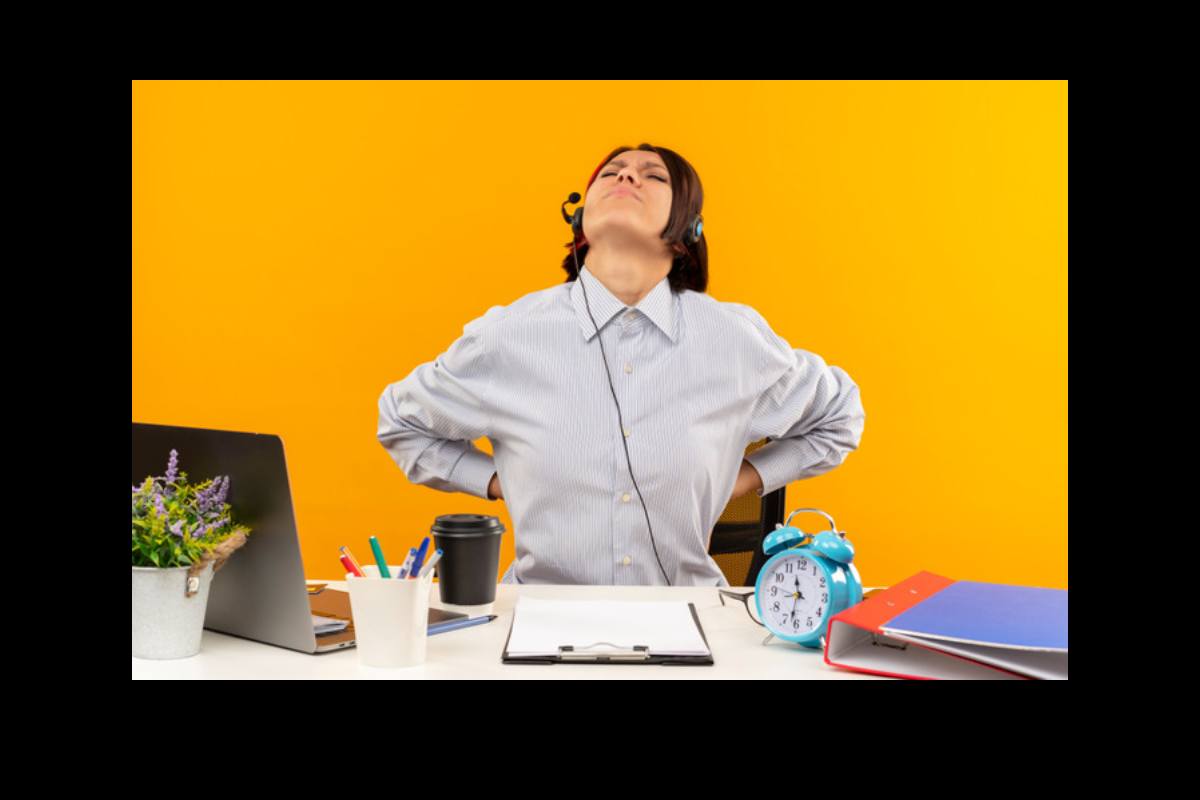
Many people spend a large part of their day working, whether that means sitting at a desk, standing for long periods, driving, lifting objects or performing repetitive physical tasks. Over time, the way work is organised can affect comfort and musculoskeletal health. This is why Spinal Health at Work should be considered an important part of a healthy workplace.
Spinal health is not simply about maintaining a perfectly straight posture. It involves how the back and spine respond to prolonged sitting, lifting, bending, repetitive movements and other physical demands. Workplace ergonomics can help reduce exposure to factors that contribute to work-related musculoskeletal problems.
Table of Contents
What Does Spinal Health at Work Mean?
Spinal health at work refers to practical habits and workplace conditions that support the back and spine during daily working activities.
The approach can be relevant to both office-based and physically demanding jobs. For an office employee, the main concerns may include prolonged sitting, workstation positioning and limited movement. For someone working in construction, healthcare, manufacturing or a warehouse, lifting, carrying, pushing, pulling and awkward positions may create different physical demands.
Work-related musculoskeletal disorders can affect the back, neck, shoulders, arms and other parts of the body. Factors can include force, repetitive movement, awkward postures and prolonged static positions.
Why Is Spinal Health Important in the Workplace?
Workplace discomfort can affect concentration, movement and a person’s ability to perform everyday tasks comfortably. In some cases, symptoms may become persistent if the underlying problem is not addressed.
The Health and Safety Executive notes that work-related musculoskeletal disorders can affect the back, joints and limbs, and recommends managing workplace risks while encouraging early reporting of symptoms.
Good workplace design therefore has two sides: reducing unnecessary physical strain and helping workers respond appropriately when discomfort or symptoms develop.
Common Workplace Factors That Can Affect the Back
Different jobs create different risks, but several factors are particularly relevant to spinal health.
Prolonged Sitting
Desk workers may remain seated for extended periods, particularly when working on computers. Remaining in one position for too long can contribute to discomfort and stiffness.
The goal is not necessarily to find one perfect sitting position and remain there all day. Changing position regularly and incorporating movement into the working day can be more practical.
NIOSH guidance for people working from home recommends varying posture regularly and avoiding prolonged work on sofas or other poorly supportive seating.
Awkward Postures
Repeated bending, twisting, reaching or working with the body in an uncomfortable position can increase physical demands.
NIOSH identifies bending and twisting, heavy physical work, forceful movements and static postures among risk factors associated with lower-back musculoskeletal disorders.
Lifting and Carrying
Jobs involving manual handling can place additional demands on the back. The weight of an object is not the only consideration; how frequently it is handled, how far it must be moved and whether the worker needs to twist or reach can also matter.
Where appropriate, workplaces should consider suitable equipment, task design and assistance rather than relying entirely on individual lifting technique.
Creating a More Spine-Friendly Workstation
For office and home-based workers, workstation design can make a meaningful difference to comfort.
A practical setup may include:
- A chair that provides appropriate support
- Feet positioned comfortably on the floor or on a suitable footrest
- A desk at a workable height
- A screen positioned so that the worker does not need to repeatedly bend the neck
- Frequently used items placed within comfortable reach
- Regular changes in posture and position
NIOSH recommends a properly designed workspace and notes that a suitable chair can allow the feet to rest flat on the floor, while varying posture can help when working for extended periods.
The right arrangement will depend on the individual, the equipment available and the type of work being performed.
Movement Matters During the Working Day
One of the simplest ways to support Spinal Health at Work is to avoid treating the working day as a period of continuous sitting or standing.
Short periods of movement can be incorporated into normal routines. For example, workers might:
- Walk during suitable breaks
- Change position regularly
- Alternate between tasks where possible
- Stand for part of a computer-based task
- Walk to speak with a colleague when practical
- Perform gentle movement rather than remaining in one position for long periods
Current CDC guidance for office environments notes that workers should avoid sitting or standing for too long and that short breaks can help reduce discomfort among people who work on computers.
These habits should complement, rather than replace, appropriate workstation and task design.
Spinal Health for Physically Demanding Jobs
Spinal health is equally important for people whose jobs involve physical activity.
Employers and workers can consider whether tasks involve unnecessary lifting, pushing, pulling, reaching, bending or twisting. Where possible, mechanical aids or changes to task design may reduce physical demands.
Ergonomics is based on designing work to fit the capabilities of workers rather than expecting workers to adapt to poorly designed tasks.
This means that workplace spinal health is not solely an individual’s responsibility. Equipment, work processes, staffing, training and the physical environment can all influence risk.
What Should You Do If You Develop Back Pain at Work?
Occasional discomfort does not automatically indicate a serious spinal problem, but persistent, worsening or concerning symptoms should not simply be ignored.
If work appears to be causing or aggravating musculoskeletal symptoms, reporting the issue to an appropriate manager, supervisor or workplace health and safety representative can help identify whether changes are needed.
The HSE recommends reporting symptoms early because workplace assessment and appropriate support may help prevent problems from becoming longer-term.
People with severe, persistent or unusual symptoms should seek appropriate medical advice. Urgent medical assessment may be necessary for symptoms such as significant weakness, loss of bladder or bowel control, numbness around the groin or saddle area, or back pain associated with serious injury or other concerning symptoms.
Building a Workplace Culture Around Spinal Health
A healthy workplace approach should go beyond telling employees to “sit properly”.
Employers can consider:
- Reviewing workstation and task design
- Identifying manual-handling risks
- Providing appropriate equipment
- Encouraging early reporting of discomfort
- Supporting reasonable workplace adjustments
- Offering relevant ergonomic guidance
- Reviewing recurring workplace complaints
- Encouraging regular movement where practical
The CDC’s ergonomics guidance recommends identifying workplace risk factors and using structured approaches to assess and correct ergonomic problems.
This approach recognises that workplace musculoskeletal health is influenced by both individual behaviour and the environment in which people work.
FAQs
What is Spinal Health at Work?
Spinal health at work involves workplace habits, equipment and practices that help reduce unnecessary strain on the back and support comfortable movement during daily tasks.
Can sitting at work cause back problems?
Prolonged sitting can contribute to discomfort, particularly when combined with limited movement or an unsuitable workstation. Varying posture and taking appropriate movement breaks can help reduce prolonged static positioning.
How can I improve my workstation for better back health?
Use suitable seating, position your equipment comfortably, keep frequently used items within easy reach and avoid remaining in one position for extended periods. Individual workstation needs can vary.
Is posture the only cause of workplace back pain?
No. Workplace musculoskeletal problems can involve several factors, including force, repetition, awkward postures, lifting, vibration and prolonged static work.
Should I report back pain caused by work?
If you believe your work is causing or worsening your symptoms, reporting the problem early can help your workplace identify potential risks and consider appropriate support.
Final Thoughts
Spinal Health at Work is about creating working conditions that support movement, comfort and safe task performance rather than focusing on a single “perfect” posture.
For desk workers, this can mean improving workstation setup and avoiding prolonged static positions. For physically demanding roles, it may involve reducing unnecessary lifting, improving task design and using appropriate equipment.
Most importantly, workplace spinal health should be viewed as a shared responsibility. Employees can develop healthy working habits, while employers can identify risks and create work environments that better accommodate the people performing the tasks. When discomfort or concerning symptoms occur, early attention and appropriate professional advice are preferable to simply working through the problem.
Health note: This article provides general educational information and is not a substitute for individual medical assessment or treatment. Workplace requirements and appropriate adjustments can vary depending on the job and the individual’s circumstances.
